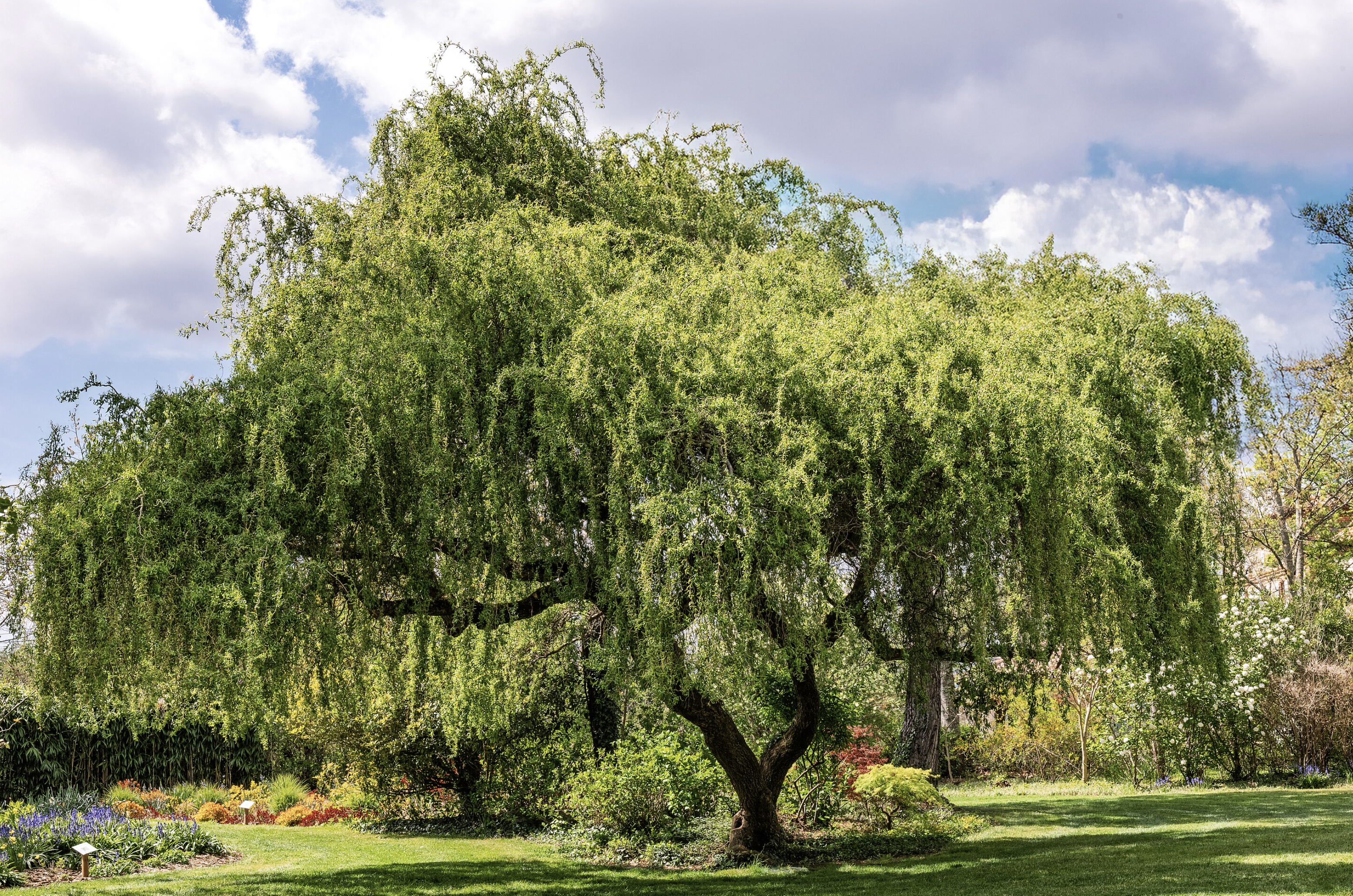
- plant description structure
- tree
- root: extensive, fibrous, shallow roots with invasive growth
- bark: rough, deeply fissured, gray-brown outer bark
- leaves: narrow-lanceolate, long-acuminate, serrated margins, pendulous, bright green
- flowers: dioecious catkins, inconspicuous, yellowish-green
- fruits: capsules with small, cottony seeds dispersed by wind
- compounds: cellulose fibers, minimal secondary metabolites
- timber: soft, lightweight wood, pale yellowish-white
- environment: optimal growth near freshwater bodies (streams, rivers, lakes) with abundant moisture
- climate: temperate with moderate rainfall and mild temperatures
- sun: 500–800 W/m²
- no-sun-days: 30 days
- water: 700–1500 mm annually
- no-water-days: 14 days
- humidity: 60–80%
- fog-resistance: 45 days
- max-temp: 35°C
- optimal-temp: 15–25°C
- min-temp: -15°C
- wind-damage: strong winds, gale, hurricane
- soil: moist, deep, fertile, well-drained loamy soils
- soil-ph: 5.5–7.5
- soil-type: loam, clay loam, sandy loam
- spacing: ideally 10–15 m apart due to extensive roots and canopy spread
- good-neighbors: Alnus, Populus, Typha
- bad-neighbors: Quercus, Pinus
- max-height: 1500 cm
- max-spread: 1200 cm
- lifecycle
- longevity: up to 70 years
- germination: seeds require moist conditions; immediate germination after dispersal
- seedling: rapid growth in moist, nutrient-rich soils; drought-sensitive
- mature: distinctive weeping form established; resilience increases; extensive root network developed
- death: gradual dieback often due to disease, drought, or physical damage
- features: weeping branches, ornamental foliage, erosion control, shade provision, fast growth
- layer: riparian, temperate forest, wetland margins
- products: ornamental woodcraft, erosion control products, biomass fuel, medicinal extracts
- chemical compounds:
-
| plant part | chemical compounds |
|---|
| root | salicin, tannins, phenolic glycosides |
| bark | salicin, flavonoids, tannins, phenolic acids |
| leaves | flavonoids, phenolic glycosides, tannins |
| flowers | flavonoids, pollen constituents |
| fruits | cellulose fibers, minimal secondary metabolites |
| timber | cellulose, hemicellulose, lignin |
- operations:
- propagate plants: primarily vegetative via cuttings; seeds rarely used due to rapid viability loss
- maintenance: regular pruning to maintain shape, remove diseased limbs, and monitor root spread
- harvest:
- ornamental wood selectively harvested from mature trees
- biomass from branches collected after pruning
- medicinal extracts from bark sustainably harvested